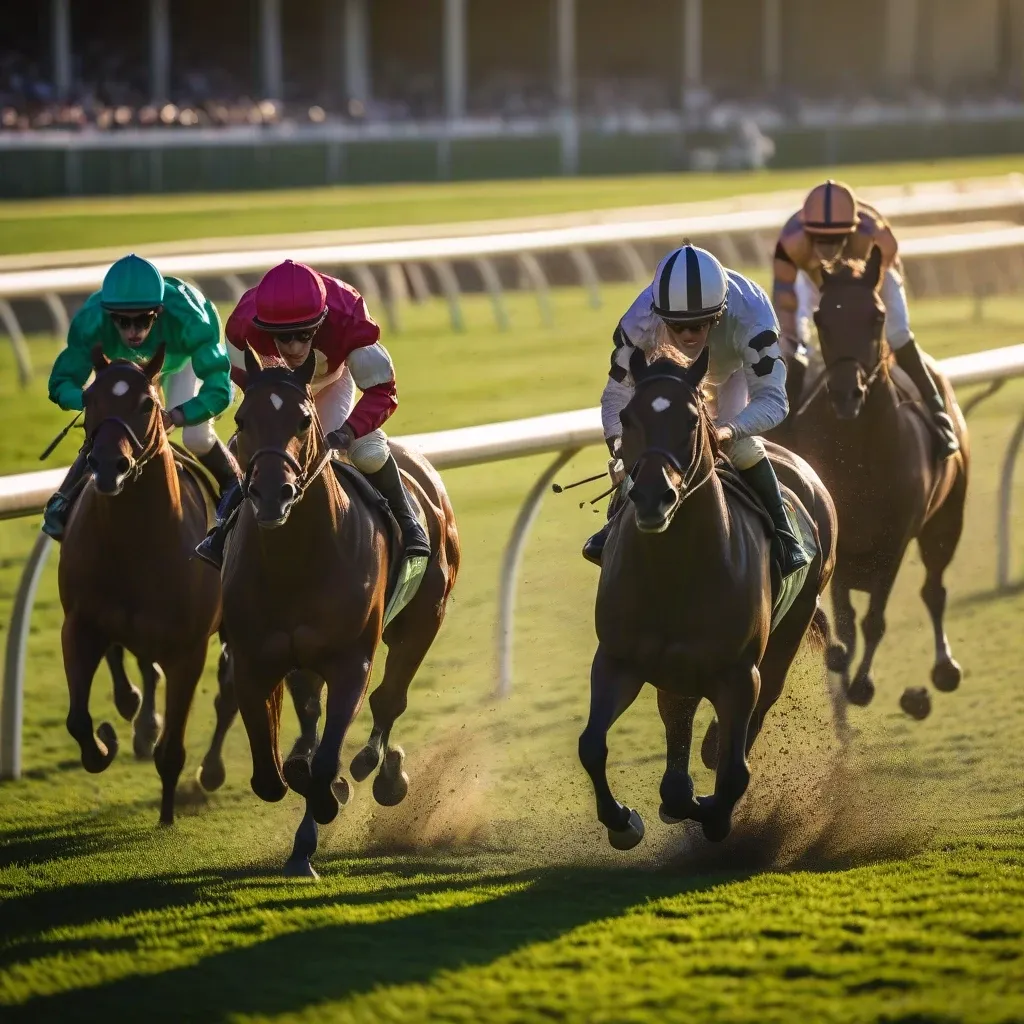
There’s a unique thrill in horse racing, a surge of adrenaline that comes when a horse, seemingly out of contention, begins a powerful, ground-devouring late charge on the turf. These “turf closers,” horses with a knack for accelerating in the final stages of a race on the grass, are more than just exciting to watch. For the savvy handicapper, they represent a frequent opportunity to find real value and boost their betting profits. Discovering and understanding these late runners can be a game-changer for anyone looking to enhance their success at the track.
What Defines a Turf Closer?
A turf closer is a racehorse whose running style is characterized by hanging back in the early stages of a race, conserving energy, and then unleashing a powerful late surge in the final stretch, ideally on a turf course. Unlike frontrunners or stalkers who prefer to be near the lead from the start, a turf closer thrives on a fast pace upfront, allowing them to capitalize on tiring horses in the final furlongs. The pace of the race is crucial; closers need a fast and contested early pace to set up their late run. Otherwise, they might find themselves with too much ground to make up in too little time. Key performance indicators for a turf closer include a high late speed figure, a tendency to improve their position in the final quarter of a mile, and a demonstrated ability to pass multiple horses in the stretch. Understanding the turf closer definition involves analyzing past performances, looking for races where the horse was far back early but finished strongly, especially in races with a fast early pace.
Identifying the Traits of a True Closer
True closers are masters of energy conservation. They possess the physical and mental ability to relax in the early stages of a race, often settling towards the back of the pack. This conserves valuable energy for their late ‘kick’. A defining trait is their exceptional late speed, the ability to accelerate rapidly in the final stages. This “late kick” is often visually striking, as they navigate through traffic and overtake multiple opponents. Successful closers also require a cool-headed jockey who can patiently guide them through the early stages and accurately time their finishing run. A patient ride is key.
The Art of Pace Handicapping for Turf Races
In the intricate world of turf racing, understanding pace is paramount. It’s the invisible hand that shapes the race, dictating which horses thrive and which falter. While raw speed and stamina are crucial, a keen grasp of pace handicapping unlocks hidden opportunities, particularly for horses with a potent closing kick. Pace handicapping involves deciphering the likely tempo of a race and predicting how that tempo will influence the final outcome. A slow, dawdling pace can favor frontrunners, while a blistering pace often sets the stage for a dramatic come-from-behind victory. By analyzing past performances, identifying horses with a penchant for early speed, and anticipating potential pace pressure, handicappers can gain a significant edge. The beauty of turf racing lies in its unpredictable nature; the ground can be soft, yielding, or firm, each condition influencing the pace. Recognizing these nuances allows for crafting intelligent wagers, especially when targeting closers poised to capitalize on a tiring field.
Evaluating Early Speed and Pace Pressure
The first step in pace handicapping is a thorough early speed analysis. Identifying horses that consistently display high early speed is crucial. Look at their past performance lines, paying close attention to their running styles and their positions at the first call or quarter-mile mark. However, early speed alone isn’t enough. Pace pressure, the intensity of the early speed duel, is a key determinant. A single speed demon might cruise unchallenged, but multiple horses vying for the lead can create a scorching pace. Telltale signs of likely pace pressure include several horses with similar early speed figures or a history of challenging for the lead. This increased pressure up front can lead to fatigue, creating ideal conditions for a closer to shine.
When Fast Pace Benefits Turf Closers
A fast pace is the turf closer’s best friend. When multiple horses vie for the lead and exert considerable energy early in the race, they are more likely to tire in the final stretch. This sets the stage for a closer, a horse that typically runs near the back of the pack early on, to unleash their finishing kick. The key is identifying closers with proven stamina and the ability to accelerate when the leaders begin to fade. Remember watching a race where a seemingly hopeless horse, far behind in the early stages, suddenly surged forward in the final furlong to snatch victory? More often than not, a blistering early pace was a major contributing factor. A keen understanding of how a fast pace tires out early leaders is essential when evaluating the potential of turf closers.
Decoding Turf Course Biases
Unlocking the secrets of turf course biases is crucial for successful handicapping. Not all turf courses are created equal; their unique configurations and prevailing track conditions can significantly influence a horse’s performance, particularly for closers who rely on late bursts of speed. Understanding these nuances can separate savvy bettors from casual observers. A turf course’s design, featuring tight turns or expansive stretches, inevitably dictates tactical advantages, while variations in the turf itself—ranging from firm to yielding—drastically alter running styles needed to win.
Factors like the presence of a pronounced rail bias, where horses running closest to the inside rail gain an advantage, or the overall course configuration play a pivotal role. Recognizing these underlying biases allows bettors to adjust their expectations and make more informed decisions. For instance, a closer that typically thrives on a wide, sweeping turn might struggle on a tighter, more compact course. Similarly, a horse that prefers a firm surface may falter when faced with a yielding turf track.
Firm vs. Yielding Turf: Impact on Closers
Turf condition profoundly impacts a closer’s ability to launch a successful late run. Firm turf generally favors closers, providing a solid surface for powerful acceleration. Yielding turf, on the other hand, often dampens a closer’s chances, sapping their energy and making it difficult to gain ground in the final stages. When evaluating closers, handicappers should carefully assess past performance on similar turf conditions, giving extra weight to races run on surfaces mirroring the current track.
Inside vs. Outside: Navigating Track Geometry
The geometry of a turf course can significantly affect a closer’s prospects, especially concerning post positions and racing lines. Inside post positions can be advantageous saving ground. However, a closer trapped on the inside might encounter traffic. Outside post positions offer a clearer path but demand covering more ground. Skillful riders must navigate these challenges, finding the optimal racing line to unleash their horse’s late kick. Understanding a track’s nuances is key to assessing how geometry impacts a closer’s tactical positioning during a race.
Spotting the Undervalued Closer
In the exhilarating world of horse racing, identifying undervalued closers can unlock significant betting value. Public perception often fixates on early speed, leading many to overlook the late-charging prowess of horses who thrive in the final stretch. This oversight creates opportunities to find closers whose true potential isn’t reflected in the morning line odds.
Consider a closer’s running style. Do they consistently finish strong, even in races where the pace wasn’t conducive to their style? Look for horses that are gaining ground in the final furlong, regardless of their overall placing. These are the horses with stamina and a finishing kick, attributes that can be particularly potent on certain track conditions or distances. Performance consistency is the compass that guides to discern true potential from fluke wins, offering a clearer image of a horse’s capabilities.
Analyzing Past Performances for Hidden Potential
Past performance analysis unveils hidden potential. Go beyond readily apparent wins and losses to scrutinize races where a closer encountered difficulties. Trip notes often reveal instances of being boxed in, encountering traffic, or racing wide – factors that significantly impact a horse’s ability to unleash their closing speed. Improvement indicators, such as progressively faster closing fractions or a strong finish in a race against tough competition, are telltale signs of untapped potential. These subtle hints will empower to make informed decisions.
Betting Strategies for Turf Closers
When to Bet a Closer to Win
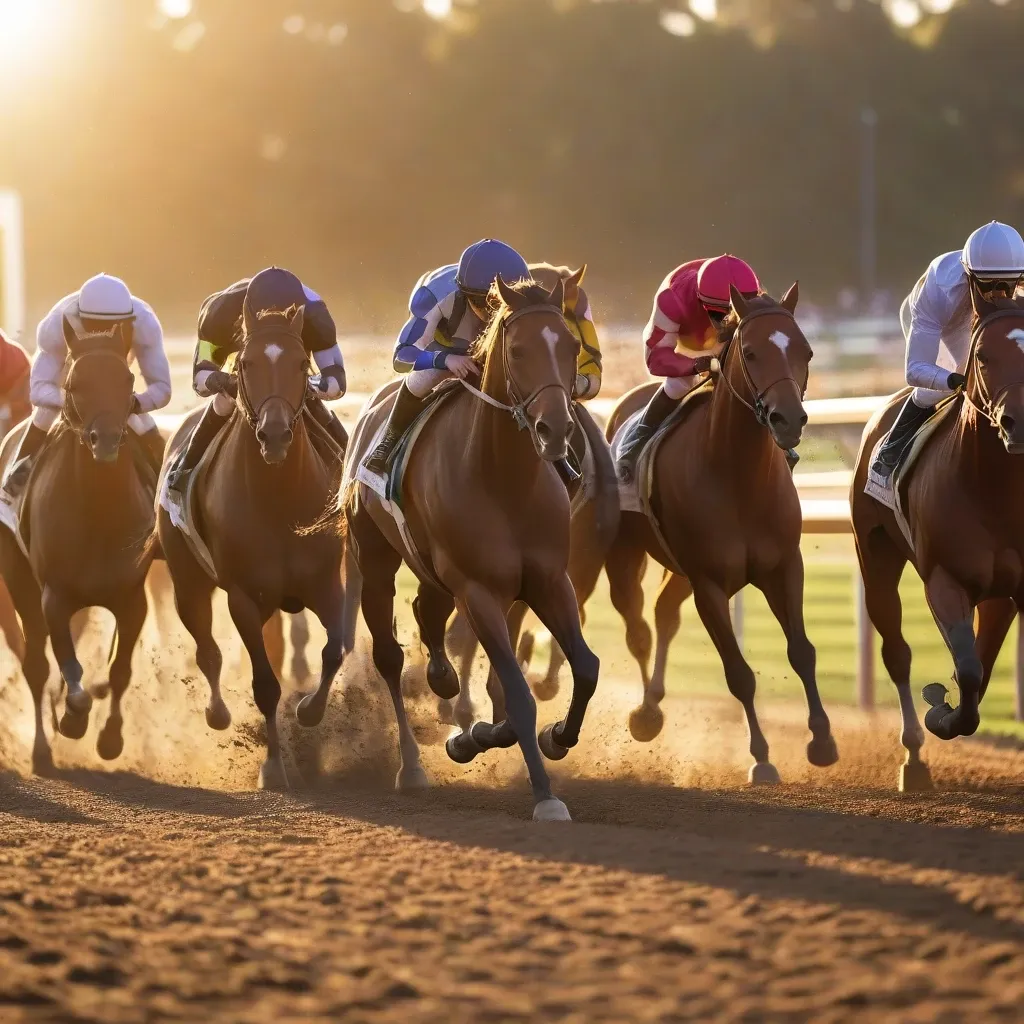
A straight win bet on a closer is most effective when the horse possesses a demonstrable late surge and the race setup favors their running style. This typically involves a field with a tendency for early speed, creating a scenario where the frontrunners are likely to tire, setting the stage for a closer to capitalize. Closers are most profitable when their closing speed is significantly higher, which can lead to win bets, also focus on odds of the races. While betting to show on a closer might seem like a safer approach, it’s generally less lucrative due to the lower payouts. The goal is to identify situations where the closer’s odds don’t accurately reflect their win probability, and capitalize on potential value.
Using Closers in Exotic Wagers (Exactas, Trifectas)
Closers can be valuable assets in exotic wagers like exactas, trifectas, and superfectas, greatly enhancing payout potential. In exactas, consider using a closer to finish second behind a likely frontrunner who may fade late. In trifectas and superfectas, where predicting multiple positions is required, using closers underneath can create opportunities for substantial payouts. When constructing tickets, keying a closer on top is a viable strategy, particularly in races where an upset is likely with tired rivals. They can also be used underneath, filling out the remaining slots in the superfecta. The key is to diversify ticket construction, covering multiple scenarios to maximize the chances of hitting a winning combination, acknowledging the closer’s potential to either win or secure a place in the top finishing positions.
Case Studies: Iconic Turf Closer Comebacks
Horse racing lore is filled with tales of horses who, against all odds, stormed from the back of the pack to claim victory. These “closers,” as they’re known, possess a blend of stamina, acceleration, and sheer will that makes their comebacks some of the most thrilling moments in the sport.
One such legend is Silky Sullivan. Known for his dramatic, come-from-behind style, Silky Sullivan would often trail the field by an enormous margin – sometimes as much as 41 lengths! – before unleashing a furious late charge.(While his record wasn’t spotless, his breathtaking finishes earned him a devoted following and cemented his place in racing history. His Santa Anita Derby win remains a testament to his unbelievable closing speed.
Another example of a remarkable comeback is Da Hoss’s victory in the 1998 Breeders’ Cup Mile. After battling numerous injuries that sidelined him for an extended period, Da Hoss returned to the track and, in a stunning display of athleticism and perseverance, surged to the front in the final strides, prompting one commentator to call it “the greatest comeback since Lazarus”.(This win was a testament to the horse’s heart and the skill of his trainer, Michael Dickinson, proving that even after setbacks, a true champion can rise again.
These examples highlight that while early speed is an advantage, a powerful closing kick can be equally decisive, especially on the turf. Identifying horses with a proven ability to accelerate late in a race can be a key to success for handicappers.
Conclusion
Mastering the art of handicapping turf closers with a devastating late charge is a rewarding pursuit for any serious horseplayer. Identifying the right horses, understanding the nuances of pace and track conditions, and employing smart betting strategies are all crucial components of a winning formula. Remember that patience and discipline are paramount. Not every race will present an ideal opportunity, and it’s essential to resist the urge to force a bet. Embrace continuous learning as the world of horse racing is constantly evolving. By consistently refining your handicapping skills and staying abreast of the latest trends, one can significantly improve profits betting on turf races.